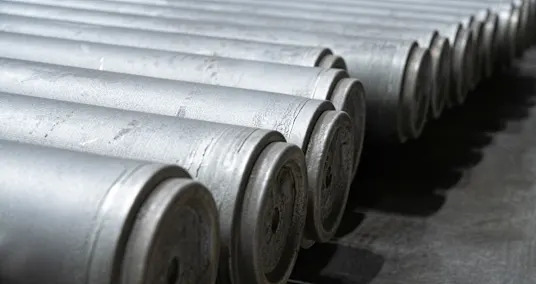
Fears of global aluminium shortages that could affect the production of clean energy technologies intensified after Iran struck two major Gulf aluminium producers, sending prices to a four-year high. The Middle East accounts for 9% of the world’s production of aluminum, which is essential to a wide range of industries from transportation, construction, and packaging, as well as the manufacture of solar panels, electrical transmission systems, wind turbines, and EVs.
Export shipments to the US and Europe had already come to a halt because of the effective closure of the Strait of Hormuz, and Morgan Stanley economists singled out aluminium as carrying a high level of risk across the value chain. Andy Farida, an aluminium analyst at Fastmarkets, told Semafor that high prices would be passed on to end-users, ultimately causing demand destruction. “A prolonged shutdown (with little to no alternative supplies other than Russia and China) could cripple the supply of aluminium to support the production of clean and green technology,” he said, adding that relief could come “if governments allow some sanctioned Russian and Chinese aluminium to be imported.”

LATEST POSTS
- 1
 The most effective method to Go with Informed Choices on Vehicle Leases
 - 2Pick Your Favored kind of books
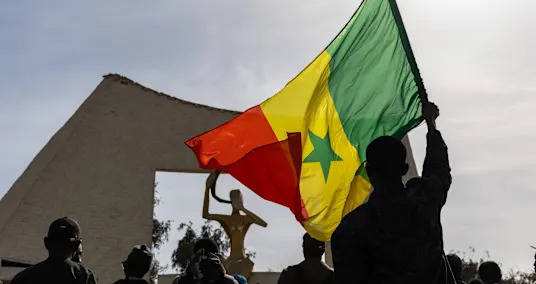
- 3Senegal president signs tough new anti-LGBT law doubling jail terms
- 4Faulty glucose monitors linked to 7 deaths and more than 700 injuries, FDA warns
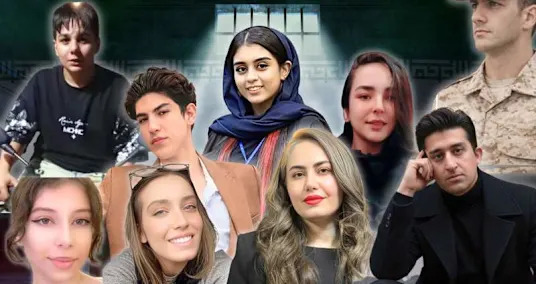
- 5Iran's stolen futures: The arrested Iranians at risk of execution by the regime



- Book excerpt: "Eat Your Ice Cream" by Ezekiel J. Emanuel, M.D.
- Transcript: Scott Gottlieb on "Face the Nation with Margaret Brennan," Dec. 7, 2025
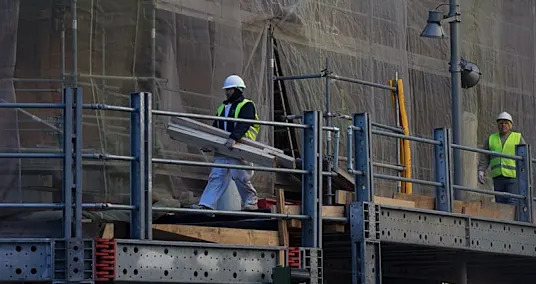
- Spain breaks jobs record with 22 million Social Security contributors
- 15 Outrageous Cosplay Outfits That Will Blow You Away
- Virtual Route d: A Survey of \Exploring On the web Stages\ Web Administration
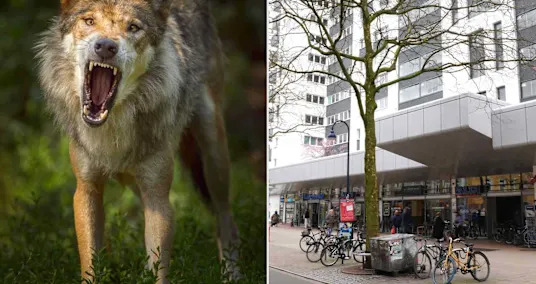
- Wolf Bites Woman in Shocking Attack at Busy Shopping Center
- James Webb Space Telescope's mysterious 'little red dots' may be black holes in disguise
- I'm an 83-year-old yoga instructor. I'm not your typical grandma — I still work to feel fulfilled and supplement my Social Security.
- Director of Swiss hospital describes the rush to treat the injured from Alpine resort bar fire